My shoulders were practically touching my ears by 11 AM yesterday, and I hadn't even opened my email yet.
We all know the feeling: the shallow breathing, the racing heart, the mental loop of "I'm not okay." When you’re in that state, well-meaning advice to "just meditate for 30 minutes" feels laughable, if not insulting.
In these moments, we’re looking for tools to downregulate our nervous system in the moment.
(Even thoughhhhh, yeah, I should meditate for real. But that doesn’t help me when I’m crashing out)
Here are four research-backed techniques to flip your body's switch from "fight or flight" to "rest and digest" quickly.
1. The Science of Natural Stress Relief: The Physiological Sigh
Stress isn't just in your head; it's a physical state. When stressed, carbon dioxide builds up in your bloodstream, triggering anxiety alarms. The fastest way to offload that CO₂ and calm down is a breathing pattern known as the "physiological sigh."
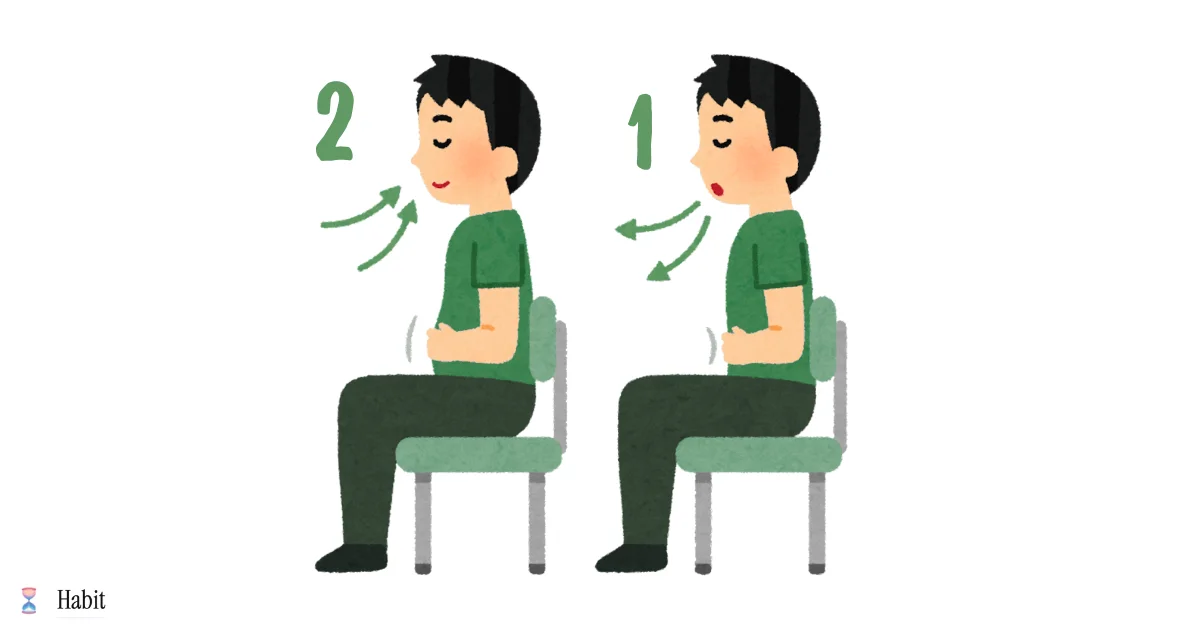
It’s simple: take two quick inhales through your nose (filling your lungs completely), followed by a long, slow exhale through your mouth.
Do this 2-3 times. It manually overrides your autonomic nervous system, forcing a state of calm faster than almost any other natural method.
2. Somatic Shaking to Release Tension
Have you ever noticed a dog shake itself vigorously after a stressful encounter with another dog? They are instinctively discharging excess adrenaline.
Humans have the same instinct, but we suppress it to look "normal." This traps tension in our muscles. To reduce stress naturally, try "shaking it out." Stand up and literally shake your arms, legs, and torso for 60 seconds. It feels ridiculous, but it signals to your body that the "threat" has passed.
3. Connect with Nature (Even for Five Minutes)
Your brain is hardwired to find safety in natural environments. A recent Japanese study showed that spending time in nature lowers inflammation, cortisol levels, blood pressure, and heart rate variability. Heart Rate Variability (HRV) is a metric that has come up a lot in recent studies because it measures how adaptive your nervous system is. The higher, the more adaptable. In this study, spending 3 days in a forest doubled HRV.
But you don't need live in a forest for 3 days, even a five-minute walk around the block where you actively look at trees, or even sitting on a bench watching the clouds, can reset your perspective and improve these biomarkers. This is because the complex patterns found in nature (fractals) are inherently soothing to the human eye. Think of the crystalline geometry of a snowflake or the repeating branches of a fern; these fractal patterns allow the brain to process visual information more easily, triggering a "relaxation response" that is one of the most effortless natural ways to relieve stress.

4. Guided Reflection to Unload Mental Weight
Sometimes stress stems from a cluttered mind, like too many open tabs in your brain.
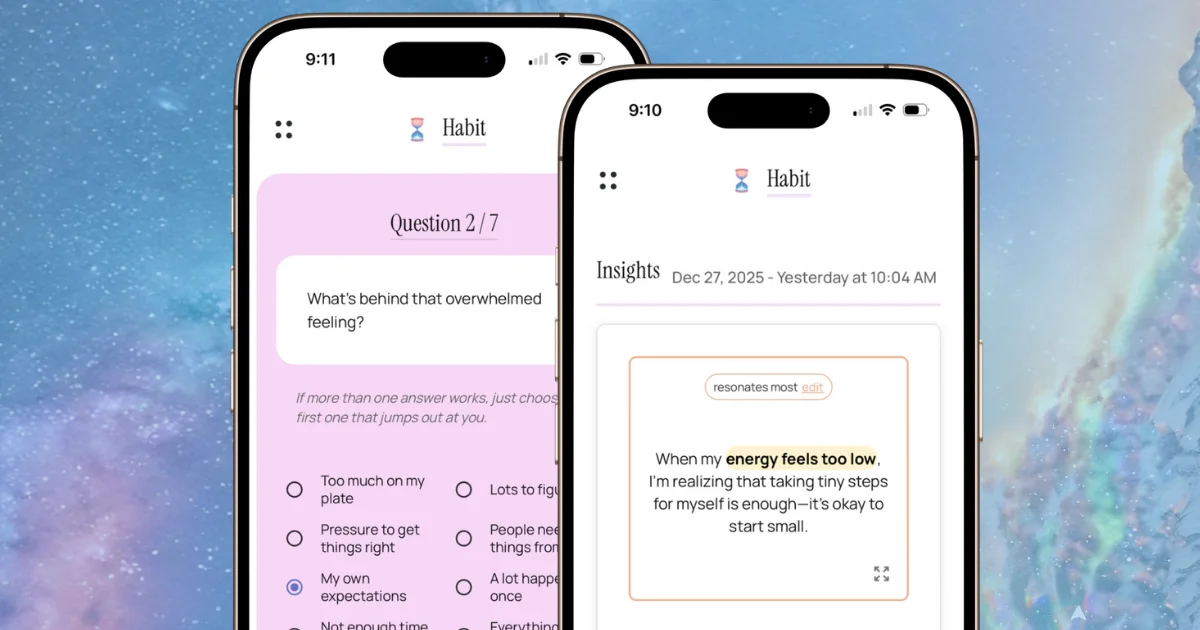
Getting those thoughts out is crucial, but staring at a blank journal page when you're already overwhelmed can induce more anxiety. This is where the guided (wordless) journaling approach helps. Instead of needing to write words and come up with what you feel and why you’re feeling it, you just need to respond to interesting questions.
Guided check-ins are one way to do stress-relieving wordless journaling. You can also try these journal prompts for mental health when you want a quick prompt to respond to.
Natural stress reduction isn't about avoiding stress entirely, it's about having a toolkit so you don't get stuck there. Pick one of these methods and try it the next time you feel the tension rising.