 HabitHabit
Our 2,000-person journaling study found that half of participants 55+ would try the AI-enabled reflection—four times the rate among younger participants.


Marc Andreessen's call for zero introspection mistakes rumination for self-knowledge. Lao Tzu, Sun Tzu, and Marcus Aurelius offer a more useful distinction.
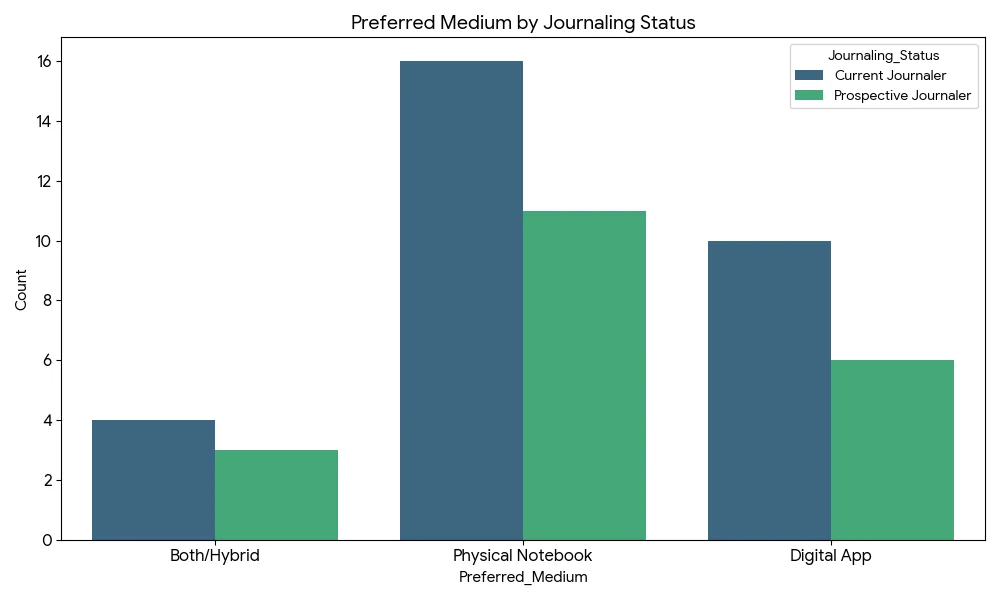
Daily journaling works best when you focus on consistency, not volume. Learn simple techniques to show up regularly and build a meaningful record over time.


You cannot find Manifestation of Creation on Amazon or in bookstores. That is because it appears to be a fake book sold through bot-driven comments and sketchy storefronts. Here is what is really going on.


We read through four Reddit threads about morning pages, from devoted fans to people who find them depressing. Here is what real people actually say, in their own words.
Venting to AI can feel good in the moment, but it comes with real risks. Here's how to make the experience healthier and more resilience-focused.


You don't need a special ritual to become more self-aware. These everyday moments are natural openings to notice how you're feeling and respond with more care.

If writing feels like a chore, your journal isn't the problem—the method is. Here are 7 practical alternatives that give you the same benefits without the blank-page dread.
People love the idea of journaling but often fall off because it takes too much effort to restart after missing a day. Discover how the right setup removes the friction completely.

A practical guide to AI mental health apps and phone-based CBT evidence, including Woebot's legacy and how to evaluate active options like Wysa and Youper.

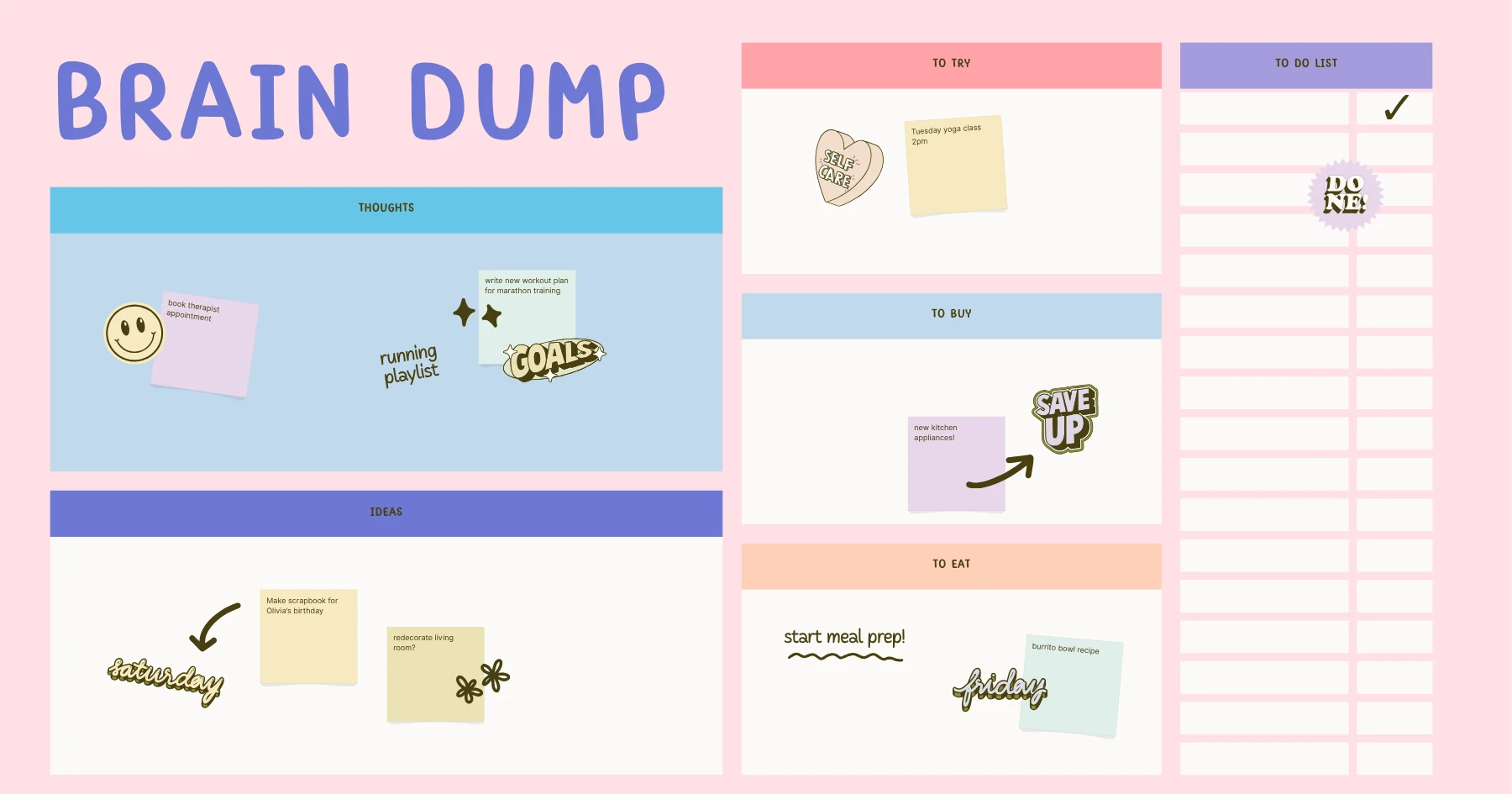
Learn a practical, science-informed system to improve mental clarity when you overthink, reduce decision fatigue, and focus on what matters daily.

Abandoning a journaling habit often leads to a cycle of guilt and avoidance. Learn a cognitive science-approved, gentle framework to restart your reflection practice without the pressure of the blank page.

From AI therapists to the rise of the 'autogenerated journal,' 2026 is looking like the year digital journaling transformed. Here are the 5 trends shaping how we reflect this year.
AI guided journal apps analyze mood, generate prompts, and structure reflection in different ways. Learn how they work and what to consider before choosing one.
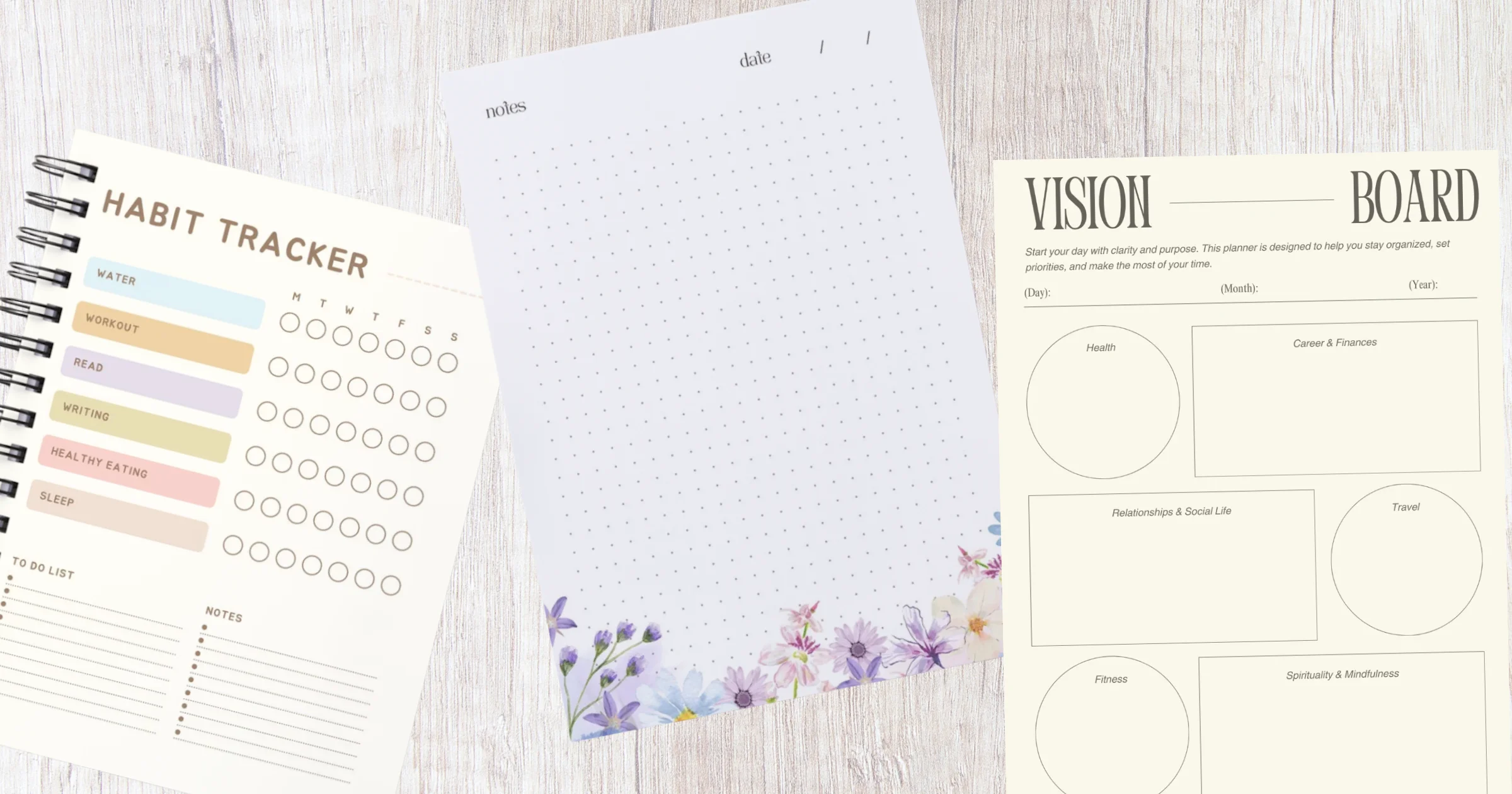
I was a bullet journal addict. Leuchtturm1917 notebooks, Tombow pens, washi tape — the whole thing. Then I realized the system I loved had become a source of shame. Here is what actually happened.

Struggling to keep a diary? You aren't lazy, you're smart.

Journaling, meditation, and social reflection each offer distinct cognitive benefits. Here is what the research says about which technique works for which situation.

Mindfulness and journaling can help, but they also ask a lot of a tired brain. Here's why popular self-care methods feel effortful and what a lower-friction alternative looks like.
We’ve traded vulnerability for vocabulary, and it’s making us more isolated than ever. Let’s talk about why your clinical jargon might be building walls instead of bridges, and how to start talking like a human again.

I've quit journaling three times. Here are 7 tips that actually got me back on track when I felt completely stuck — and 3 'hacks' that wasted my time.

Japanese researchers found a surprising shortcut to lower stress biomarkers, and it’s simpler than you think. Here are four natural nervous system resets, including the 'odd' somatic trick that gives you results in seconds.

Ever wonder why you can't stick to a journaling habit? It's not a lack of willpower, it's a known cognitive barrier. As a therapist, I'm breaking down the psychological reasons behind journaling resistance and how to bypass the friction for good.

Mindlessly scrolling the moment the kids are down isn't laziness, it's a natural cognitive process. Discover why your brain chooses dopamine hits over actual rest and how to break the habit loop.

If losing a streak feels like a personal defeat, you’re experiencing streak-shaming. Discover why apps should ditch the counters to protect users' mental health.
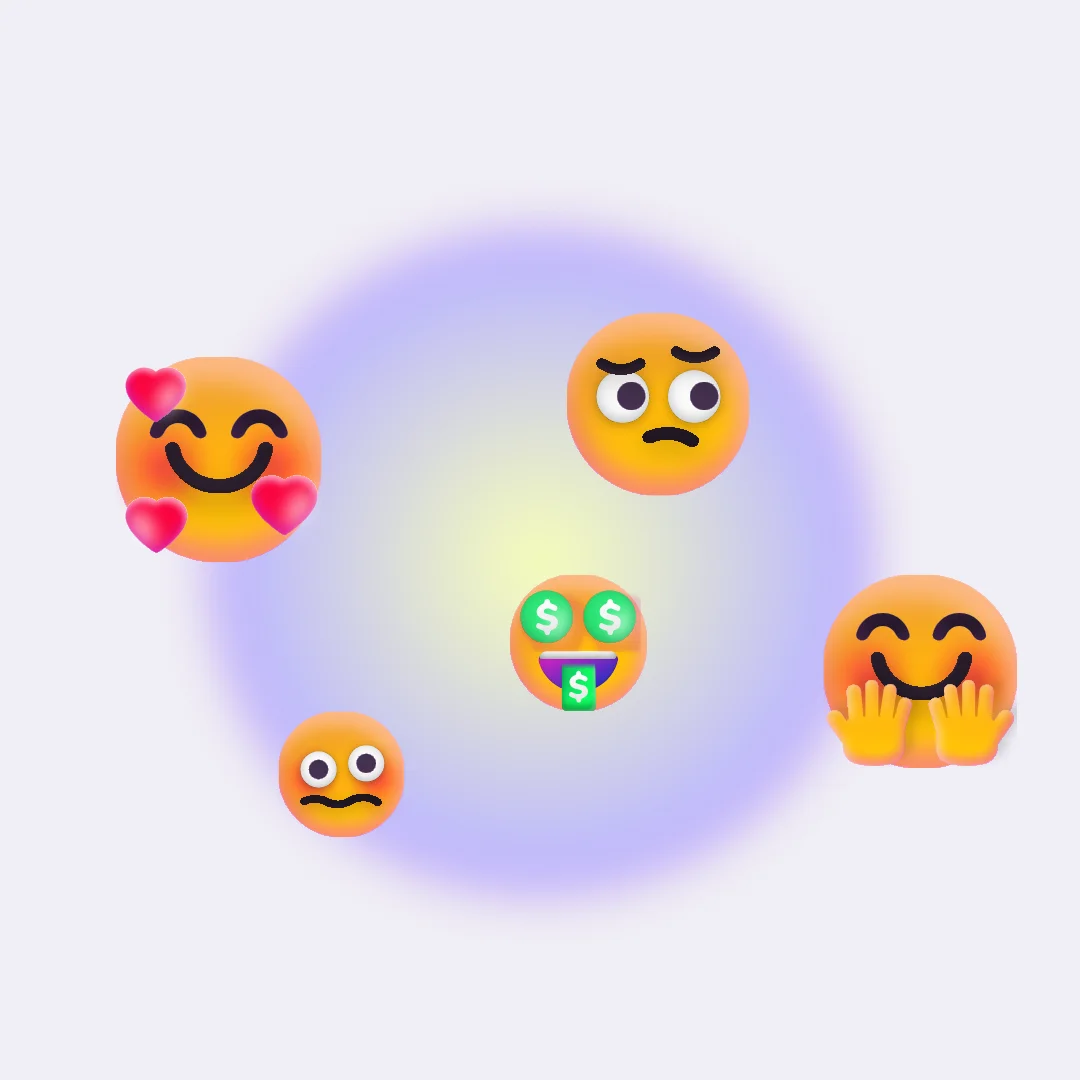
Struggling to keep a daily diary? As a therapist, I’ve seen how 'Blank Page Syndrome' stops wellness habits in their tracks. Discover the science-backed differences between written and visual journaling and why wordless reflection might be the missing piece for your mental health.
From privacy and data security to algorithmic bias and the boundaries of AI support, here's what to consider before using AI in your mental wellness journey.
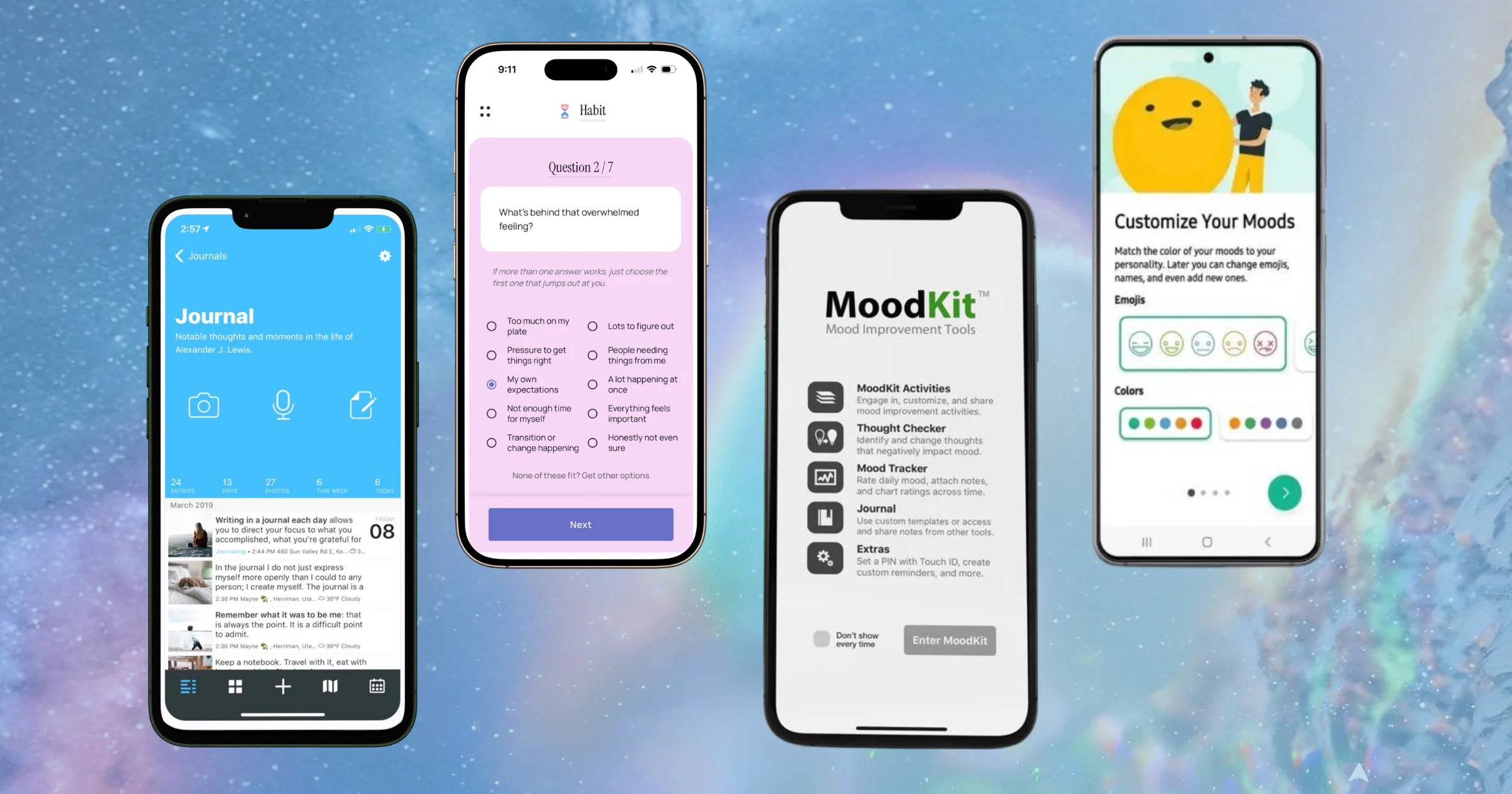
Compare guided journal apps and interactive mental health tools for journaling, AI reflection, and mood tracking. Find the right fit for your brain.
Most of us manage stress, but emotional load is different. Learn why this invisible labor affects your decisions and how you can manage it.

Stopping GLP-1 medications can be an emotionally fragile transition. Guided journaling helps you navigate food noise, regulate emotions, and maintain your weight loss by focusing on mental wellness rather than restrictive tracking.
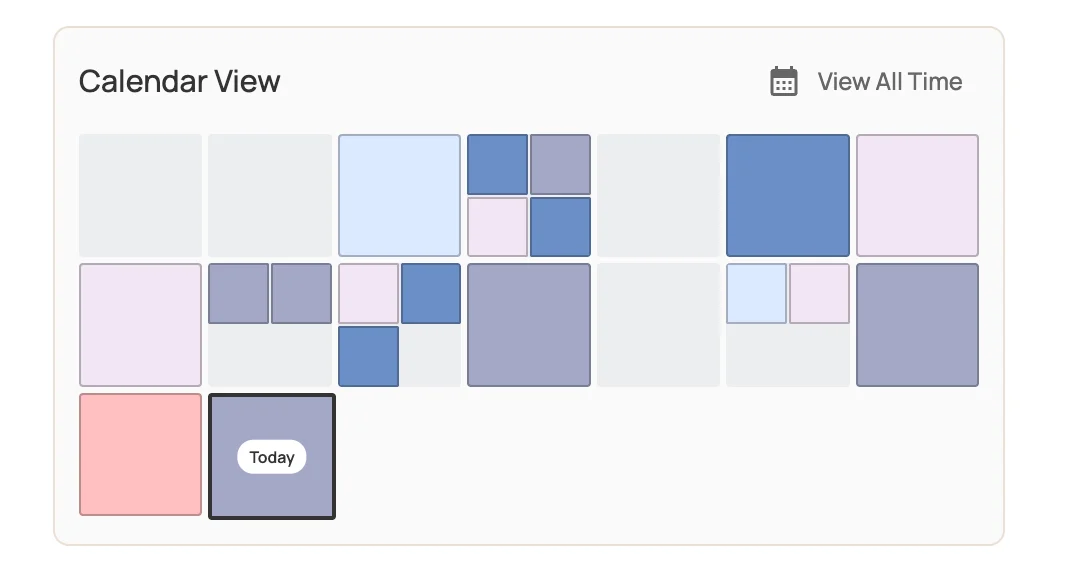
Set New Year's resolutions for 2026 that actually work. Learn why starting small, focusing on emotional regulation, and choosing achievable goals leads to real change, and how journaling fits into the bigger picture.
The gap between therapy sessions is critical to your progress. Research shows that structured mood tracking with guided prompts improves emotional awareness and treatment outcomes more than blank-page methods alone.

Journaling is one of the most common recommendations therapists make between sessions. Here's why it works, and four structured methods that make consistency realistic.

A new global study shows that just 10 minutes of daily self-reflection can significantly reduce anxiety and shift your outlook on health and motivation. Here's how it works, why it matters, and how to try it yourself.

A real, no-fluff review of morning pages based on a full 12-week experiment, why it didn’t work for me, and the simple journaling ritual I use instead.

I hate writing paragraphs. So I tested 5 journaling alternatives that use AI to help you reflect without typing a single sentence. Here's what actually worked.
You don't need to write to journal. Here are 7 powerful wordless journaling options.
If you keep quitting journaling, consistency is not your real problem. This guide shares a practical framework, app format comparison, and a 7-day restart plan designed for busy, overwhelmed minds.
Discover how answering structured questions can transform your journaling practice, eliminate writer's block, and deepen self-reflection effortlessly.

If journaling feels too time-consuming or overwhelming, try these short, paragraph-free journal prompts designed to help you build a consistent, calming practice in minutes.
Structured prompts and freeform writing both support mental health, this guide breaks down the science behind each style so you can pick the method your mind needs right now.

Discover how daily reflection questions can help you feel grounded, confident, and emotionally ready before therapy. Learn the simple method therapists wish clients used more often.

A 5-minute daily check-in that boosts clarity and calm without traditional journaling or mood tracking. Designed for busy, distractible, or emotionally overloaded minds.
Explore how subscription, freemium, and one-time pricing models shape your relationship with a journaling habit and what to consider before choosing.

Feeling overwhelmed for no apparent reason is more common than you think. Learn the hidden causes, from emotional load to sensory overload, and discover practical ways to find clarity and calm.
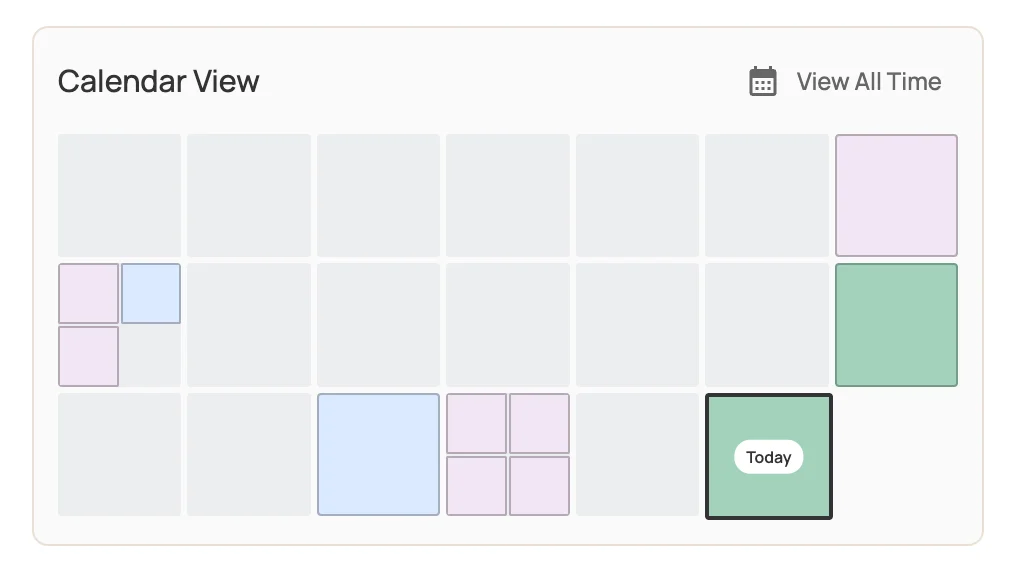
A surprisingly simple psychological cue can make staying consistent feel easier: visually seeing your check-ins fill a calendar. Here's why your brain loves it.

Learn how to journal for anxiety using a simple, supportive method grounded in therapy principles. No blank pages, no overwhelm. Just guided questions that help you feel calmer and clearer.

A simple, encouraging guide to low-effort journaling, using question-based prompts instead of writing paragraphs.
What to look for in a guided journal app if you have struggled to stay consistent with reflection.
Most productivity systems are designed for neurotypical brains. If you have ADHD or just think differently, rigid systems can make you feel like you're failing. Here's how to build a productivity approach that actually works with how your mind operates, not how someone else thinks it should.

Discover 30 structured daily journaling prompts designed to increase clarity, strengthen emotional awareness, and build a consistent habit without overwhelm. Perfect for beginners or anyone wanting deeper reflection.

I wanted to explore a unique alternative to traditional writing-based approaches to see if you could still get the benefits and therapeautic effects of journaling.
Free Resources
For Professionals
© 2026 Habit. All rights reserved.
Build version: v2.18.8