Think of one superpower you'd want to have. Write it down. Then explore: Why this power? What values does it connect to? How would I use it? What problems would it solve? Then think of another superpower. Write about how they connect to your values.
These deep dive journal prompts are designed to help you reflect on fun or random in a way that fits your schedule and energy level. Research shows that even brief, structured reflection can reduce anxiety, improve emotional regulation, and help you recognize patterns in your thoughts and feelings over time.
Dive deeper with these prompts when you want to sit with your thoughts for longer.
đź’ˇ Want to explore different topics? Use the Journal Prompts Generator to get a random prompt based on the topic and time commitment.
Think of one superpower you'd want to have. Write it down. Then explore: Why this power? What values does it connect to? How would I use it? What problems would it solve? Then think of another superpower. Write about how they connect to your values.
Think of one random thing that made you happy this week. Write it down. Then think of another. Write about: What do they have in common? What patterns do I notice? What makes random things bring joy? Then write about what they have in common.
Think of one place you'd want to travel to. Write it down. Then explore: Why this place? What adventures would I have? What would I discover? What would I learn? Then write about what adventures you'd have there.
Think of one silly thing you did this week. Write about it. Then explore: Why was it silly? How did it make me feel? How does silliness bring joy? When do I need more silliness? Then write about how silliness brings joy.
Think of one person you'd want to meet. Write their name. Then explore: Why them? What would I ask? What would I want to learn? What conversation would we have? Then write about what questions you'd ask and why.
Think of one fun fact about yourself. Write it down. Then think of another. Write about: How do they reflect who I am? What do they reveal about my interests? How do they connect? Then write about how these facts reflect who you are.
Think of one thing you'd want to learn instantly. Write it down. Then explore: Why this? How would I use it? How does learning connect to my growth? What would learning it mean? Then write about how learning connects to your growth.
Think of one weird habit you have. Write it down. Then explore: What is it? How does it serve me (or not)? Why do I do it? Should I keep it or change it? Then write about how this habit serves you (or doesn't).
Think of one thing you'd want to invent. Write it down. Then explore: What problem would it solve? Why do I care about this problem? How would it work? Then write about how it would solve problems you care about.
Think of one random thought you had today. Write it down. Then think of another. Write about: What patterns do I notice? Where do these thoughts come from? What do they reveal? Then write about what patterns you notice in your random thoughts.
Think of one moment you'd want to redo. Write about it. Then explore: What happened? What would I do differently? What would change? What can I learn from this? Then write about what you'd do differently and why.
Think of one funny memory you have. Write about it. Then explore: What makes it funny? How does humor connect to joy? When do I need to remember this? Then write about how humor connects to joy in your life.
Think of one animal you'd want to be. Write it down. Then explore: What qualities does this animal have? Why do I admire them? How can I embody these qualities? Then write about what qualities you admire and why.
Think of one quirky thing about you. Write it down. Then think of another. Write about: How do they make me unique? What do they reveal about me? How do I feel about my quirks? Then write about how they make you unique.
Think of one talent you'd want to have. Write it down. Then explore: Why this talent? What similar skills could I develop? How could I start? What would practice look like? Then write about how you can develop similar skills.
Write a completely fictional autobiography of yourself — but make every detail the opposite of your real life. Where were you born? What do you do? Who are your friends? What do you fear? What do you love? What does this opposite life reveal about the choices you've actually made?
Imagine you have one hour of absolute invisibility — no one can see or hear you, and there are no consequences. Where do you go? What do you do? What do you look at? What do you avoid? What does this fantasy reveal about your curiosity, your boundaries, or your desires?
Write about your life as a video game. What is your character class? What are your stats? What is your main quest? What side quests have you been ignoring? What bosses have you defeated? What power-ups do you need? Who are the NPCs in your world?
Imagine you wake up tomorrow speaking a language you've never learned — but only that one language, and no one around you speaks it. What happens? How do you communicate? What do you discover about language, connection, and the things that don't need words?
Write a dialogue between your morning self and your night self. What does morning self want? What does night self want? What do they argue about? What do they agree on? What compromises do they make? What does this conversation reveal about your internal rhythms?
Imagine you find a door in your home that you've never noticed before. Where does it lead? What do you find? Who lives there? What rules apply? Do you stay or return? What does this hidden space represent in your actual life?
Write about your life as a museum exhibit 100 years from now. What objects are displayed? What do the plaques say? What do visitors learn about you? What is misunderstood? What is celebrated? What does this imagined exhibit say about what matters most?
Imagine you can send one text message to everyone on Earth — same message, 160 characters. What do you say? Why that message? What do you hope happens? What do you fear might happen? What does your chosen message reveal about what you believe humanity needs?
Write a job posting for the position of 'You'. What are the required qualifications? What are the daily responsibilities? What are the perks? What are the challenges? Who would apply? Would you apply for your own job? What does this reveal about how you see yourself?
Imagine you are a weather pattern — not a person, but a storm, a season, a climate. What kind of weather are you? What do you bring? What do you clear away? What do people say about you? How do you change? What does this metaphor reveal about your impact on the world?
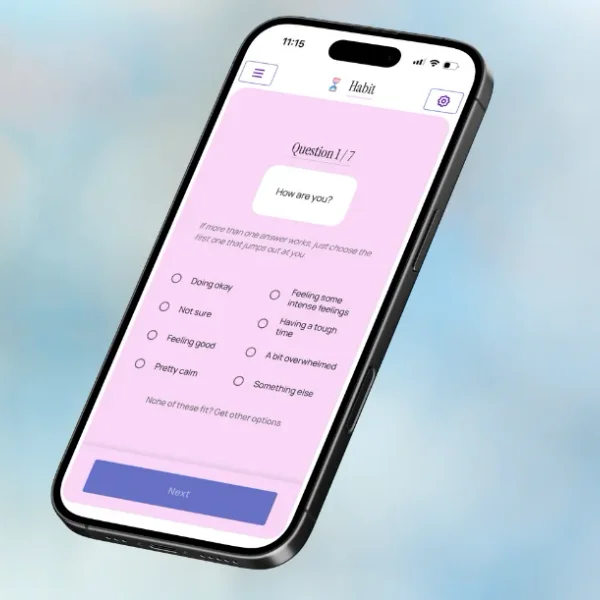
Don't have the mental capacity to write this out?
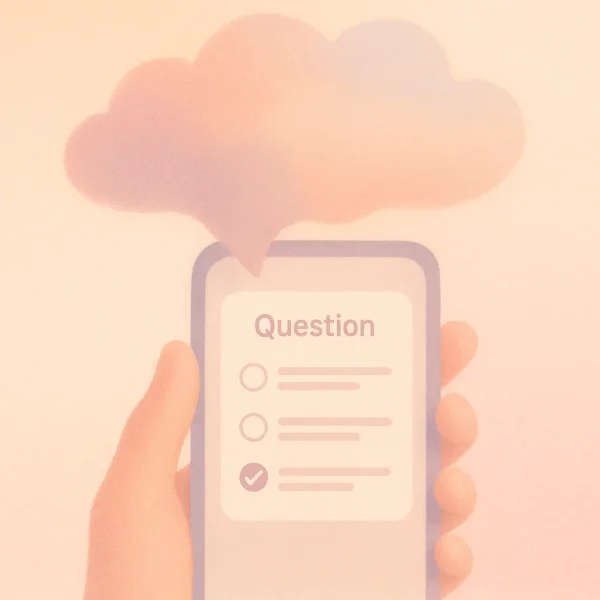
You can check-in with yourself without fighting the blank page. Answer 7 personalized multiple-choice questions instead.

Research shows that regular journaling can reduce anxiety by up to 20%, improve emotional regulation, and enhance self-awareness. Structured reflection practices activate the prefrontal cortex, helping you pause before reacting and build better metacognitive skills over time.

The most effective journaling practice is the one you'll actually maintain. Studies show that brief, consistent reflection (even just 2-3 minutes) produces better long-term outcomes than occasional long writing sessions. The key is finding a method that fits your energy level and schedule.

Structured prompts reduce cognitive load and help you focus when your mind feels scattered. Guided journaling is especially helpful for reducing overwhelm, building habits, and processing emotions systematically. Freeform writing works best when you have specific emotions to process or need creative expression.

Deep reflection requires intentional time and space. Schedule it when you have mental energy, perhaps after work or on weekends. Creating a quiet environment helps you explore thoughts more thoroughly and gain meaningful insights.

Deeper reflection sessions help you process complex emotions, gain clarity on challenging situations, and develop stronger self-awareness. Taking time to explore your thoughts thoroughly can lead to breakthrough insights and better decision-making.

Deep reflection is powerful for processing, but don't underestimate the value of quick daily check-ins. Combining both approaches—quick daily awareness and occasional deep dives—creates a well-rounded reflection practice.
Free Resources
For Professionals
© 2026 Habit. All rights reserved.
Build version: v2.18.7