A memory that makes me smile is...
 HabitHabit
These quick journal prompts are designed to help you reflect on memory prompts in a way that fits your schedule and energy level. Research shows that even brief, structured reflection can reduce anxiety, improve emotional regulation, and help you recognize patterns in your thoughts and feelings over time.
Perfect for busy days. These prompts help you check in with yourself quickly.
💡 Want to explore different topics? Use the Journal Prompts Generator to get a random prompt based on the topic and time commitment.
A memory that makes me smile is...
One childhood memory that stands out is...
A moment I want to remember forever is...
One memory that taught me something is...
A memory I'm grateful for is...
One memory that shaped who I am is...
A memory that brings me joy is...
One memory I want to revisit is...
A memory that makes me proud is...
One memory that connects me to others is...
A memory that inspires me is...
One memory that reminds me of my strength is...
A memory that brings me peace is...
One memory I want to share is...
A memory that makes me feel loved is...
A smell that instantly transports me back in time is...
The song that holds the most memories for me is...
A place I visited as a child that I can still picture clearly is...
The taste of something that reminds me of home is...
A holiday tradition I treasure is...
The first time I remember feeling truly independent was...
A piece of clothing or item I owned that I wish I still had is...
The teacher or mentor who changed my perspective was...
A summer from my past that stands out in my mind is...
The moment I realized I had become an adult was...
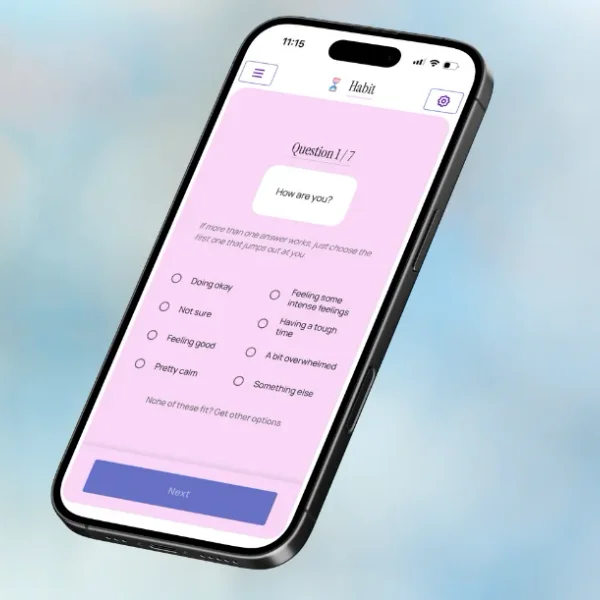
Don't have the mental capacity to write this out?
You can check-in with yourself without fighting the blank page. Answer 7 personalized multiple-choice questions instead.

Research shows that regular journaling can reduce anxiety by up to 20%, improve emotional regulation, and enhance self-awareness. Structured reflection practices activate the prefrontal cortex, helping you pause before reacting and build better metacognitive skills over time.

The most effective journaling practice is the one you'll actually maintain. Studies show that brief, consistent reflection (even just 2-3 minutes) produces better long-term outcomes than occasional long writing sessions. The key is finding a method that fits your energy level and schedule.

Structured prompts reduce cognitive load and help you focus when your mind feels scattered. Guided journaling is especially helpful for reducing overwhelm, building habits, and processing emotions systematically. Freeform writing works best when you have specific emotions to process or need creative expression.

Quick check-ins work best when you anchor them to natural breaks in your day—morning coffee, lunch, or evening wind-down. Even 2-3 minutes of reflection can reduce stress and improve emotional awareness without overwhelming your schedule.
Brief daily check-ins help you stay emotionally regulated and aware of patterns without requiring significant time. Research shows that even 2-3 minutes of structured reflection can reduce anxiety and improve mood when done consistently.

Quick prompts are great for daily consistency, but consider adding occasional deeper sessions when you need to process complex emotions or gain clarity on important decisions. Both approaches support your mental health in different ways.
Free Resources
For Professionals
© 2026 Habit. All rights reserved.
Build version: v2.18.7