Understanding Emotional Load: The Hidden Work Draining Your Brain
Most of us manage stress, but emotional load is different. Learn why this invisible labor affects your decisions and how you can manage it.
Loading content...
 Habit
HabitMost of us manage stress, but emotional load is different. Learn why this invisible labor affects your decisions and how you can manage it.
"Understanding Emotional Load: The Hidden Work Draining Your Brain" — Habit Blog — https://habit.am/blog/what-is-emotional-load-understanding-your-emotional-capacity

Former Licensed Clinical Social Worker (LCSW) with a Master’s in Psychology from Georgia State University. Sam spent a just under a decade in clinical practice focusing on Cognitive Behavioral Therapy (CBT.) Passionate about subclinical conditions and improving quality of life through quality relationships.
View all articles by Sam Ramirez →
Have you ever felt like you just don't have the energy to make one more decision? Like even small choices feel overwhelming? Or maybe you've noticed that when you're stressed or anxious, you're more likely to snap at someone, make impulsive choices, or just feel completely drained?
This isn't just about being tired or having a bad day. It's about something called emotional load: the mental and emotional energy required to manage your feelings, process stress, regulate your mood, and navigate emotional challenges.
Understanding emotional load can help you recognize why some days feel harder than others, why you might struggle with decision-making when you're stressed, and why taking care of your emotional well-being isn't just a nice to have, its essential.
Emotional Load
Emotional load is like cognitive load, but for emotions. It's the mental and emotional energy required to manage your feelings, process stress, regulate your mood, and navigate emotional challenges. When your emotional load is high, you have less capacity for other things, including making thoughtful decisions, maintaining relationships, and managing daily tasks.
Think of your emotional capacity like a container. When that container is full of stress, anxiety, sadness, anger, or other difficult emotions, there's less room for anything else. You have less mental space to think clearly, less emotional bandwidth to respond thoughtfully to others, and less energy to make decisions that align with your values and goals.
Emotional load accumulates throughout the day, week, and month. It's not just about one big stressful event, it's about the cumulative effect of managing multiple emotions, processing ongoing stress, regulating your responses, and navigating interpersonal challenges.
You're probably familiar with cognitive load: the mental effort required to process information, solve problems, and make decisions. Emotional load works similarly, but it's specifically about the emotional and psychological energy needed to manage feelings and navigate emotional experiences.
Cognitive load is about thinking: processing information, solving problems, learning new things, making logical decisions.
Emotional load is about feeling: managing emotions, processing stress, regulating your mood, navigating relationships, coping with difficult experiences.
Here's the key difference: while cognitive load affects your ability to think clearly, emotional load affects your ability to feel, process, and respond emotionally. And here's what's important: emotional load can directly impact cognitive load. When you're carrying a lot of emotional weight, it becomes harder to think clearly, make decisions, and process information.
Think about it: when you're anxious or stressed, do you find it harder to concentrate? When you're dealing with relationship conflict, do you struggle to focus at work? When you're processing grief or sadness, do simple tasks feel overwhelming?
That's emotional load affecting your cognitive capacity.
Emotional load can come from many sources. Here are some common examples:
The important thing to understand is that emotional load is cumulative. It's not just one thing, it's the combination of all the emotional work you're doing throughout your day, week, and life.
When your emotional load is high, you might notice:
You have less mental and emotional capacity to weigh options, consider consequences, and make thoughtful choices. You might find yourself making decisions on "autopilot" or avoiding decisions altogether.
You have less emotional bandwidth to respond thoughtfully to others, manage conflict constructively, or offer support. You might be more reactive, less patient, or more likely to withdraw.
Simple tasks that normally feel manageable suddenly feel like too much. You might procrastinate more, feel paralyzed by your to-do list, or struggle to complete basic responsibilities.
With less emotional capacity, you're more likely to react impulsively rather than respond thoughtfully. Small things might trigger big reactions, and you might struggle to regulate your emotions.
High emotional load can manifest physically: fatigue, tension, headaches, difficulty sleeping, changes in appetite, or other stress-related symptoms.
When your emotional load is high, taking care of yourself often feels like one more thing you don't have energy for. You might skip exercise, eat poorly, or neglect activities that normally help you feel better.
The good news is that emotional load isn't fixed. There are practical ways to reduce it and create more emotional capacity:
Just like you need to process information to reduce cognitive load, you need to process emotions to reduce emotional load. This is where practices like journaling, therapy, or talking with trusted friends can help. Regular emotional processing prevents emotions from accumulating and overwhelming your capacity.
Pay attention to what's contributing to your emotional load. Are there specific situations, relationships, or responsibilities that feel particularly draining? Can you set boundaries, ask for help, or make changes to reduce their impact?
The better you become at managing and regulating your emotions, the less emotional load they create. Practices like mindfulness, deep breathing, and emotional awareness can help you process feelings more efficiently.
Emotional load accumulates, and it needs time to decrease. Rest, sleep, and downtime aren't luxuries, they're essential for reducing emotional load and restoring your capacity.
Being hard on yourself adds to your emotional load. Self-criticism, perfectionism, and harsh self-judgment all consume emotional energy. Practicing self-compassion can actually reduce your emotional load.
Protecting your emotional capacity means saying no to things that drain you, setting limits with people who are emotionally demanding, and creating space for yourself.
You don't have to carry your emotional load alone. Therapy, support groups, trusted friends, or family members can help you process emotions and reduce the weight you're carrying.
Understanding emotional load helps you:
Emotional load isn't a sign of weakness or failure. It's a normal part of being human. Everyone has emotional capacity limits, and everyone experiences times when their emotional load is high. The key is recognizing it, understanding it, and taking steps to manage it.
Emotional load is the mental and emotional energy required to manage your feelings, process stress, and navigate emotional challenges. When it's high, you have less capacity for decision-making, relationships, and daily tasks. But by understanding emotional load and taking steps to reduce it, through regular emotional processing, self-care, boundaries, and support, you can create more emotional capacity and function better in all areas of your life.
Your emotional well-being isn't separate from your ability to function well, it's foundational for it. Taking care of your emotional load isn't selfish or indulgent. It's critical for living well.
RELATED: journal prompt generator

Our 2,000-person journaling study found that half of participants 55+ would try the AI-enabled reflection—four times the rate among younger participants.

Marc Andreessen's call for zero introspection mistakes rumination for self-knowledge. Lao Tzu, Sun Tzu, and Marcus Aurelius offer a more useful distinction.
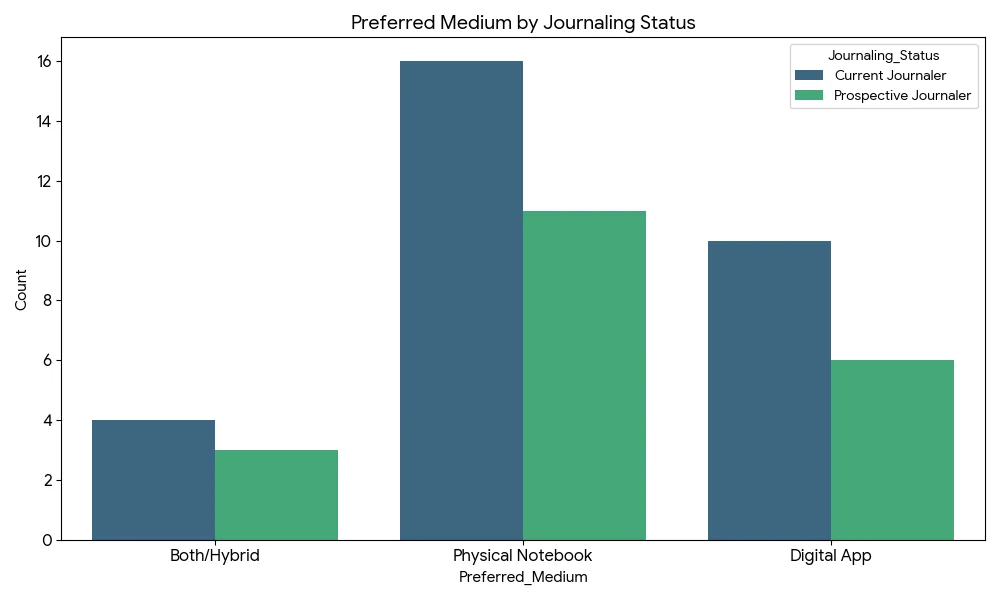
Daily journaling works best when you focus on consistency, not volume. Learn simple techniques to show up regularly and build a meaningful record over time.

Free Resources
For Professionals
© 2026 Habit. All rights reserved.
Build version: v3.0.0