Choose an app that asks less of you
The World Health Organization describes burnout as an occupational phenomenon associated with exhaustion, increased mental distance or cynicism, and reduced professional effectiveness (WHO, 2019). A journaling app cannot fix the conditions causing burnout, but it can help you notice what is happening without becoming another demand.
Look for:
- entries that take a minute or two;
- optional reminders and no streak penalties;
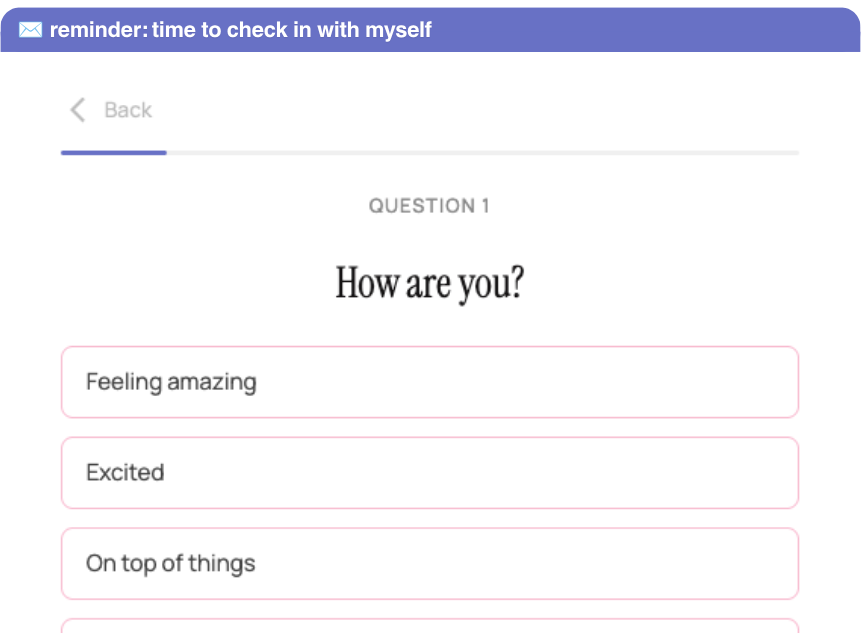
- short questions or selectable answers;
- an easy way to pause, export, and delete;
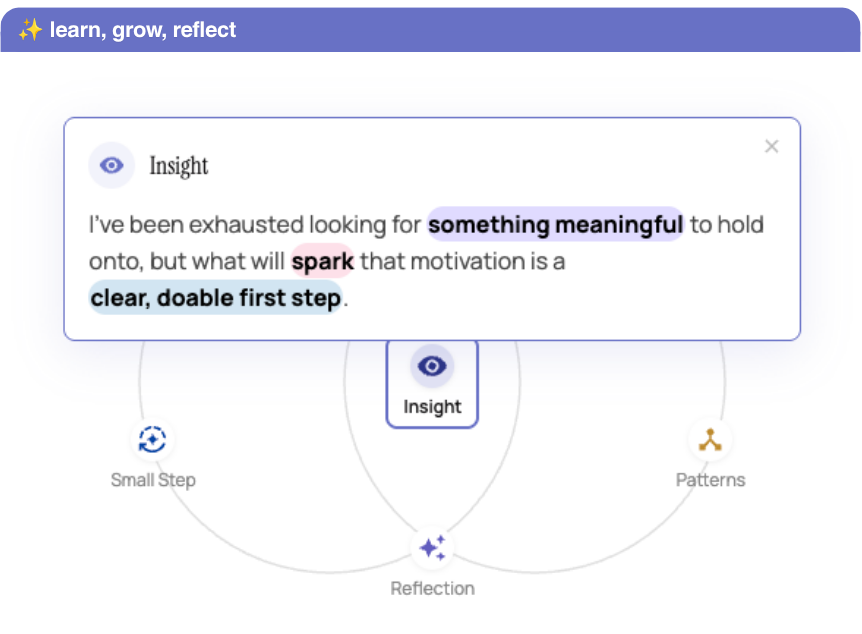
- a review that shows patterns without scoring your performance.
Avoid apps centered on daily targets, productivity goals, long blank-page entries, or guilt-inducing notifications.
Use a minimum-effort entry
On a depleted day, record only:
- Current state: exhausted, numb, irritable, or another close-enough word.
- Capacity: low, medium, or high.
- What would reduce the load: rest, food, help, a boundary, or “not sure.”
“Exhausted · low capacity · need to cancel one plan” is a complete entry. Do not turn it into another task list.
Know the limit of the tool
Burnout and depression can overlap. If low mood or loss of interest extends beyond work, lasts for weeks, affects daily functioning, or includes hopelessness or thoughts of self-harm, seek professional support. If you may be in immediate danger, contact local emergency services or a crisis service where you live.
The best journaling app for burnout is therefore not the most ambitious one. It is the one that helps you notice your state and limits while leaving enough energy to respond to them.