Track responses, not writing output
Word counts and streaks show how often you journaled. They do not show whether anything changed. A useful personal-growth record captures:
- recurring situations or themes;
- how quickly you noticed your reaction;
- what you did next;
- boundaries you set or maintained;
- activities that consistently changed your energy.
Use short, dated entries so you can compare similar situations over time.
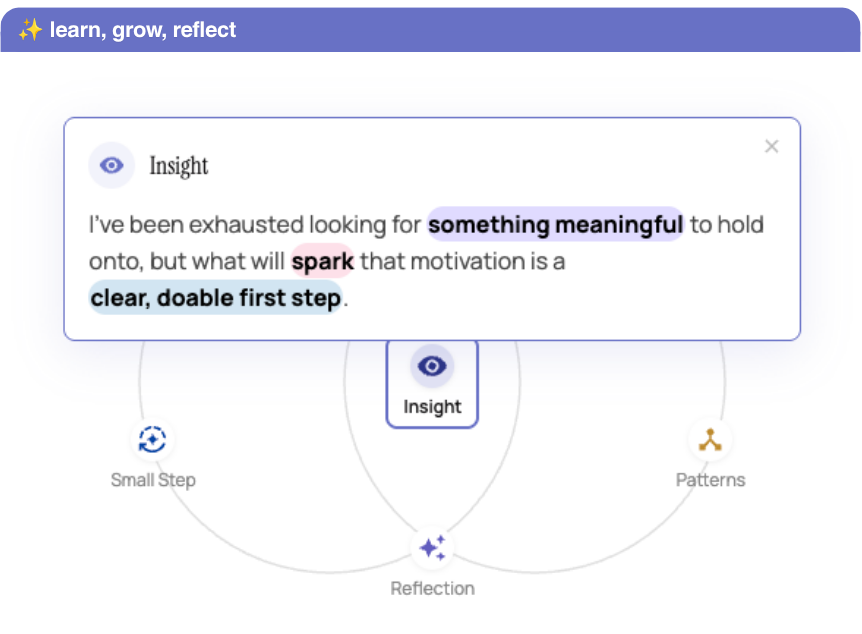
Choose an app built for looking back
A good journaling app for personal growth should offer:
- search, tags, or filters for recurring themes;
- a calendar or timeline;
- space for both the situation and your response;
- export and deletion controls;
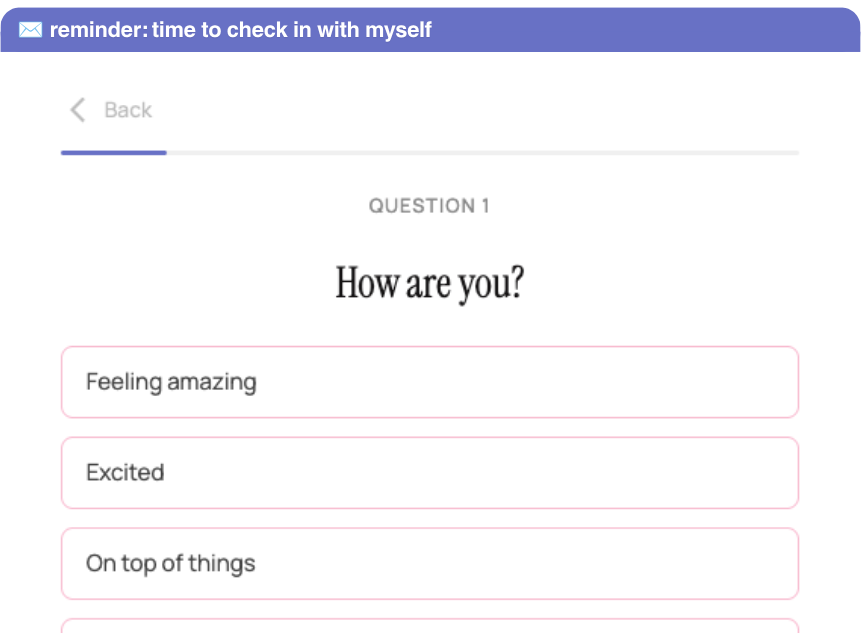
- reminders that can be disabled;
- no requirement to maintain a streak.
Test the history before committing. Add a few entries, then check whether you can find every note about a topic such as work conflict or sleep. If review is difficult, the app will not help you track change.
Run a monthly comparison
Once a month, review several entries and answer:
- What kept returning?
- What did I notice sooner or handle differently?
- Which response helped, and which one made things harder?
- What deserves attention next month?
Write one short summary and tag it monthly review. Compare reviews every three months rather than judging progress day by day.
Personal growth is often visible in a changed response to a familiar situation—not the disappearance of every difficult theme. Your journaling tool should make that comparison easy.