Look for reflection and review
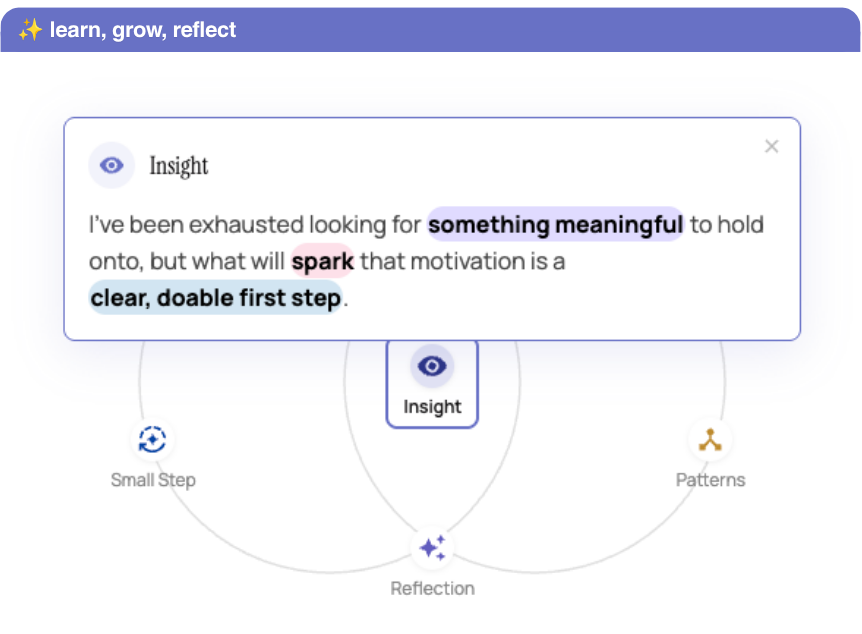
For self-improvement, a journaling app should make two things easy: recording what happened and comparing your responses over time. A large prompt library is less useful if you cannot find recurring themes or revisit earlier entries.
Prioritize:
- a fast entry flow you can complete with your normal energy;
- dated history, search, tags, or another useful review method;
- enough guidance to help you start;
- export and deletion controls;
- clear privacy information;
- reminders you can disable rather than streaks that punish missed days.
Pick the right amount of structure
- Choose a diary app if you enjoy writing and want a searchable archive.
- Choose a prompt app if deciding what to write is the main barrier.
- Choose a mood tracker if you want quick trend data; test an emoji mood tracker first.
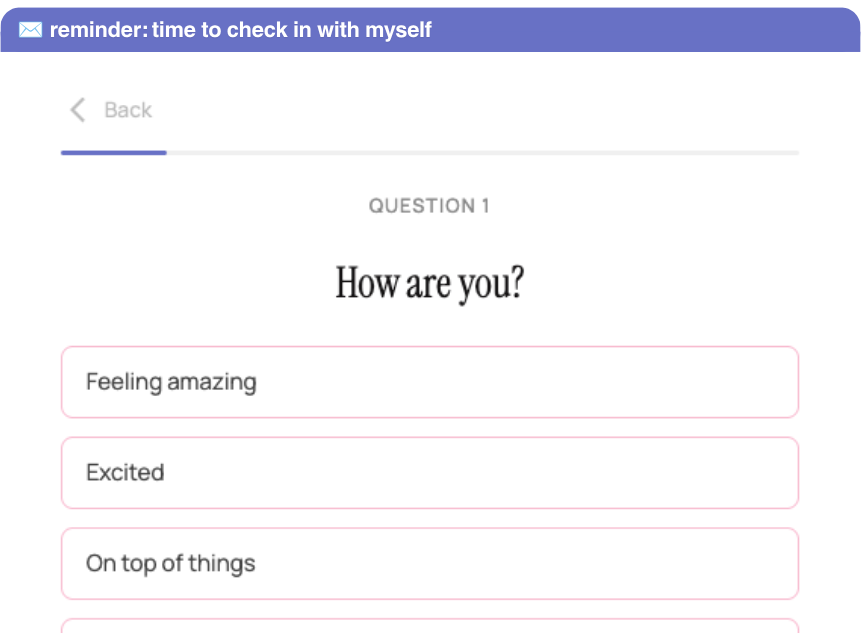
- Choose a guided check-in if you want short questions and a defined endpoint.
The best journal apps of 2026 roundup compares specific options, but the category matters more than the brand.
Test the review experience
Use one app for seven days. Then review the entries and answer:
- Can I identify one repeated situation, response, or need?
- Can I find an older entry without effort?
- Did the app help me reflect, or only collect text?
- Would I use it on a low-energy day?
The best journaling app for self-improvement is the simplest one that passes this review. If an app is pleasant to enter but useless to look back on, it is a diary archive—not yet a growth tool.